


Date: |
2 September 2026 |
Time: |
7:00PM |
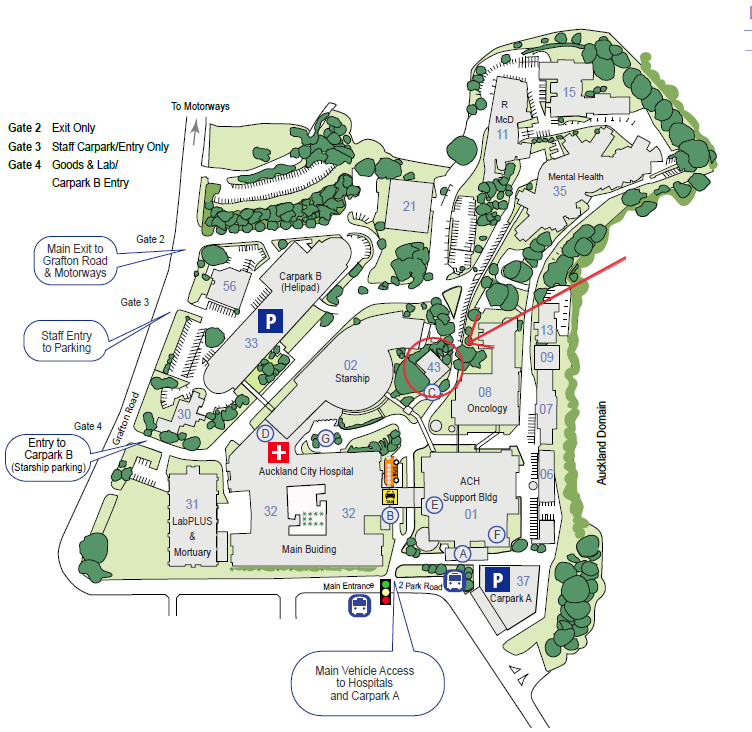
Location: |
|
Entry: |

Title
My unexpected journey in brain researchPresented by
Distinguished Professor Sir Richard FaullAbstract
2026 AMHS FOUNDERS' LECTURE
My interest in brain research was initiated when as a third-year medical student I took a year out of my medical studies to do brain research. This set me on a career pathway of human brain research over 50 years first working in neurosurgery, completing a PhD at Auckland University, studying in the USA and then returning to Auckland to establish a human brain bank and to pursue human brain research on neurodegenerative diseases. My career has been marked by serendipitous findings which have changed our understanding of the mysteries and marvels of the human brain in health and disease.
Biography
Professor Sir Richard FAULL KNZM, BMedSc, MB, ChB, PhD, DSc, FRSNZ
Sir Richard Faull (Te Āti Awa, Ngāti Rāhiri) is a Distinguished Professor and Foundation Director of the Centre for Brain Research at the University of Auckland.
During his 48 years at the University he has established an international reputation for his research studies on the normal and diseased human brain (Alzheimer’s, Huntington’s, Parkinson’s and epilepsy) and has established an international leading Human Brain Bank with the generous support of families to promote worldwide research on human brain diseases. His research group has revolutionized our knowledge on the human brain by showing that, contrary to dogma, stem cells are still present in the adult human brain and have the potential to make new brain cells and repair the brain throughout life.
His contributions to research on the human brain have been recognized by appointment as a Fellow of the Royal Society of New Zealand (1998) and he was awarded: the Liley Medal by the Health Research Council of New Zealand in 2005; New Zealand’s highest scientific award, the Rutherford Medal, in 2007 by the Royal Society of New Zealand for outstanding contributions in science; and, received the Supreme Award in the 2010 World Class New Zealand Awards.
In 2012 he was appointed Distinguished Professor at the University of Auckland and awarded a knighthood by the Queen in 2017 for his contributions to brain research. In the 2023 international ranking of neuroscientists he is ranked #1 in New Zealand #347 in the world https://research.com/. He was a finalist in the Kiwibank New Zealander of the year 2026.
*********
THE AMHS FOUNDERS' LECTURE
This annual lecture acknowleges the founders of the Auckland Medical History Society 62 years ago.
In 1963 Dr Laurie Gluckman wrote "I wish to draw attention to the desirability of fostering or developing a Society of Medical History". A group of interested people met in August 1964 and empowered a sub-committee comprising Drs Laurie Gluckman, James Newman and Edward Roche to develop a set of rules and suggestions for the Society. These were adopted at the Inaugural Meeting in November 1964 and Dr Edward Roche elected first president.
Dr Laurie Gluckman, Dr James Newman, Dr Edward Roche
The Aims of the Society were defined as the "promotion of an interest and knowledge of medical history through lectures, discussions, exhibitions, or by any other means". Aspects of the Society’s activities over the years are to be found in 50thYear Celebrations 1964-2014 and more recently, the AMHS website. (This booklet can be downloaded from the AMHS website)
Title
Transgressive wounds? Dum-dum bullets, doctors and the law of warPresented by
Professor Maartje AbbenhuisAbstract
In this talk, I discuss the peculiar history of expanding small arms ammunitions from the Crimean War (1853-1856) to the Second World War and explain their vital significance in affecting how medics sought to firstly treat battlefield wounds and then agitated for changes to be made to the law of war in response to their wounding effect. The talk focuses specifically on a new type of expanding bullet invented in the 1890s, whose name became synonymous with the idea of inhumane warfare. When British forces used these 'dum-dum' bullets in their colonial campaigns, it provoked media outrage and helped to inspire their regulation in the Hague Conventions of 1899. Dum-dum bullets remain illegal to this day. This talk, which is based on the contents of a recently published book, explains why we still consider dum-dums as transgressive weapons today.
Biography
Maartje Abbenhuis is Ahorangi Professor in History at Waipapa Taumata Rau University of Auckland. She is the author of several award-winning books, including The Art of Staying Neutral: Great Power Politics 1815-1914 and Global War, Global Catastrophe: Neutrals, Belligerents and the Transformation of the First World War. Her latest book has just been published by Cambridge University Press entitled The Dum-Dum Bullet: A Lethal History 1850-1950.